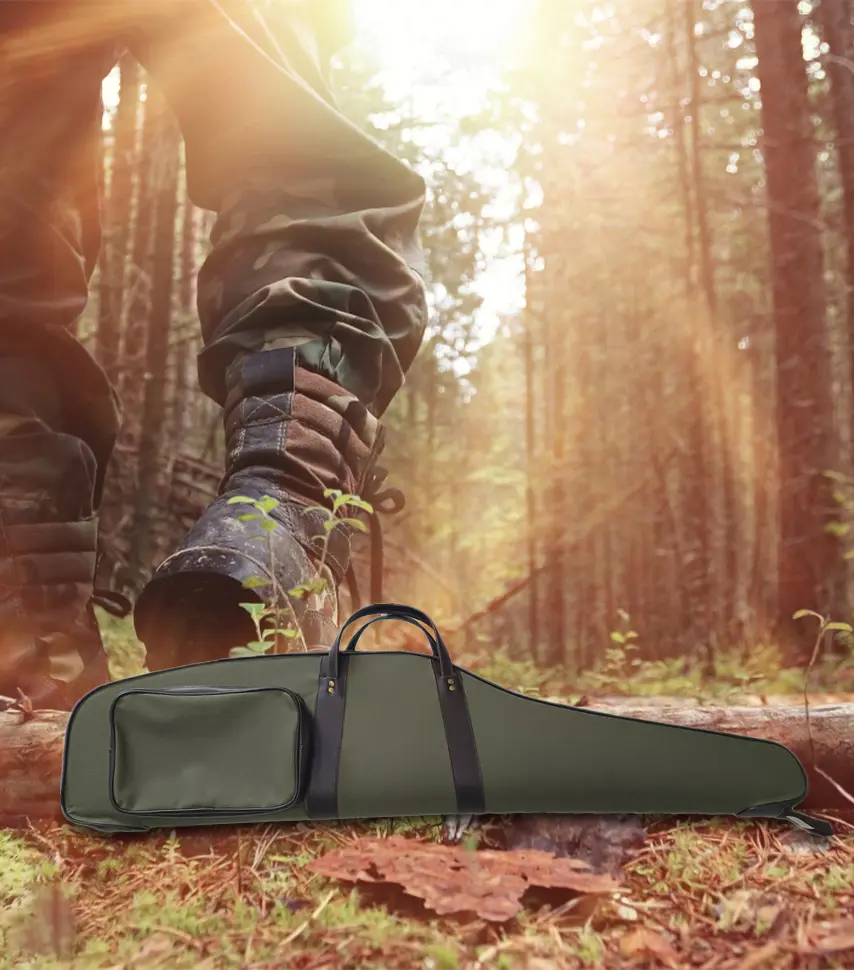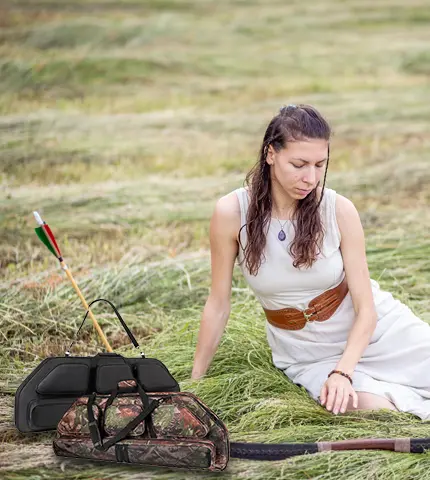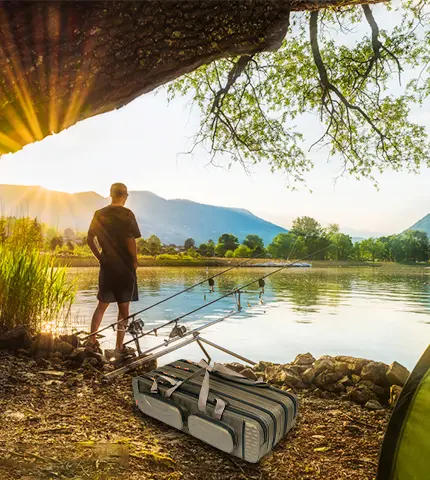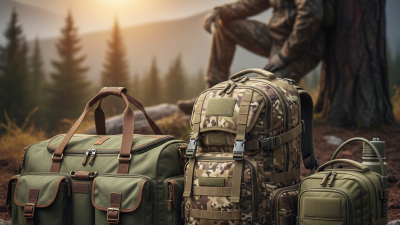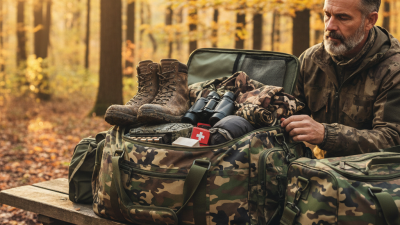
Why Choose a Hunting Saddle Bag for Wholesale? The question deserves more than a low-price answer. Wholesale buyers need reliable field performance, repeatable quality, and practical margins. A well-designed Hunting Saddle Bag can organize ammunition-free essentials, binoculars, calls, maps, water, and small tools without adding unnecessary bulk. Its value appears around the waist, on a pack strap, or beside a saddle.
The 2022 National Survey of Fishing, Hunting, and Wildlife-Associated Recreation reported 14.4 million American hunters and $45.2 billion in hunting-related spending. The Outdoor Industry Association also reported 175.8 million outdoor recreation participants in 2023. These figures suggest steady demand for compact, dependable outdoor equipment. They do not guarantee every product will sell. That assumption needs testing.
Ron Spomer, a veteran hunting writer and gear reviewer, often stresses a practical standard: “The best gear is the gear you actually use.” For wholesale sourcing, that principle means examining stitching, zipper movement, fabric abrasion, attachment points, and usable capacity. Field samples should be tested in rain, dust, cold mornings, and uneven movement. Small failures matter.
A durable Hunting Saddle Bag can reduce customer complaints and support repeat orders. Neutral colors may broaden retail appeal. Replaceable straps can simplify service. Clear product specifications build trust.
There is no perfect bag. Some buyers prefer lighter fabric, while others demand stronger protection. A thoughtful wholesale program accepts this tension and offers clear options. The strongest choice is not always the cheapest one. It is the bag that performs consistently, communicates honestly, and earns another purchase.
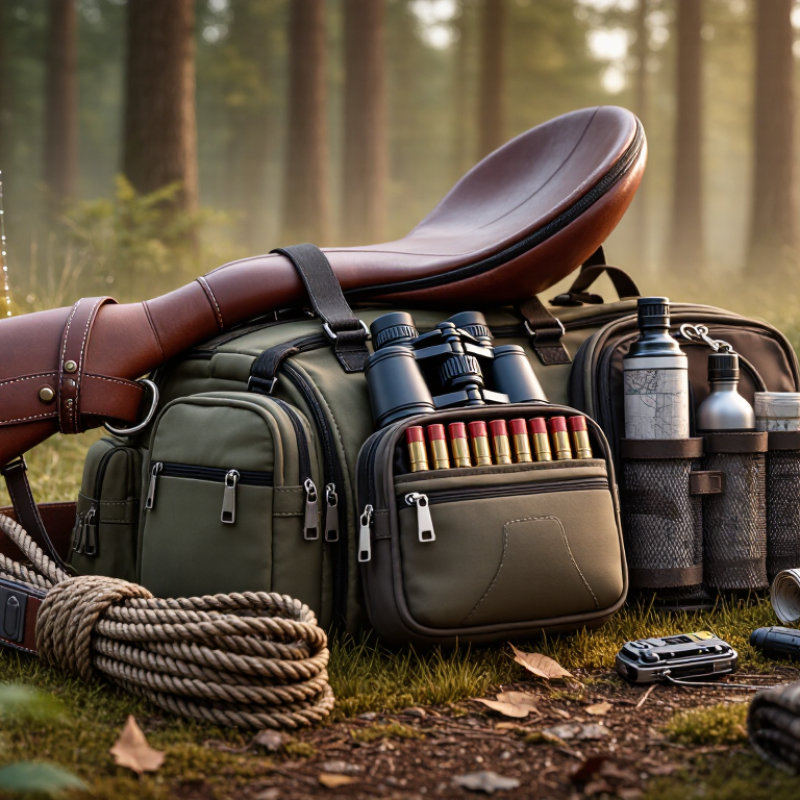
A hunting saddle bag is a compact storage pouch secured to a hunting saddle or nearby support system. It keeps small field essentials within easy reach. These items may include water, navigation tools, gloves, snacks, and basic first-aid supplies. The bag should remain stable while the user walks, climbs, or changes position. It stays close. That matters.
A dependable saddle bag usually has adjustable straps, quiet fasteners, and water-resistant fabric. These details support practical use in changing outdoor conditions. Hunters can organize items by frequency, placing urgent supplies in outer pockets. A balanced design also helps reduce shifting weight. In my experience, easy access often matters more than maximum capacity. An oversized bag can catch on branches or create unnecessary movement.
For wholesale buyers, consistent stitching, strong attachment points, and clear sizing are important evaluation factors. Products should suit lawful hunting seasons and responsible outdoor practices. However, no design solves every problem. Some zippers may become stiff in cold weather, while soft fabric can hold moisture longer than expected. That weakness deserves honest testing. Inspecting seams, buckles, and pocket layouts before bulk purchasing can prevent avoidable returns. Wholesale selection is not only about price; it also involves dependable construction, user comfort, and realistic field performance.
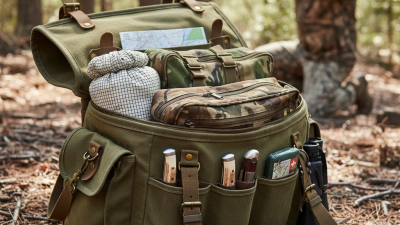
A useful hunting saddle bag keeps small essentials close without making every step feel heavier. Comfort starts with adjustable straps and a stable fit that reduces shifting as the wearer climbs or bends. Padded contact points can help during long outings, though thick padding may feel warm on mild days. That trade-off deserves attention. Check how the bag sits over typical layers, not just a thin shirt.
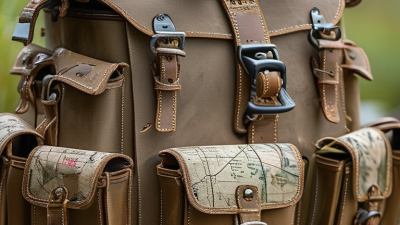
Storage works best when pockets have clear purposes. A roomy main compartment can hold gloves or a compact first-aid kit, while smaller zipped pockets keep a map, snacks, and keys from mixing together. Quiet fabric and secure closures matter when movement needs to stay controlled. In the field, a zipper that catches on grit is more than a small annoyance. Look for reinforced seams, accessible pulls, and materials that dry reasonably fast after light rain. No design fits every setup, so compare dimensions and strap placement before choosing a wholesale model.
Choosing hunting saddle bags for wholesale can make product planning more predictable. Buyers can compare capacity, fabric weight, stitching, and attachment points across a consistent batch. That helps stores keep useful options in stock instead of relying on a few one-off units. A bag with divided pockets, for example, can separate gloves, a compact first-aid kit, and small field essentials without making everything hard to reach.
Wholesale orders may also lower the per-unit cost and simplify replenishment. Retailers can select practical colors and features for their customers, such as quiet closures, reinforced stress points, or adjustable straps. Details matter. Before placing a large order, request a sample and inspect the seams, buckles, and fit on the intended saddle. Measurements on a product sheet can miss awkward angles or straps that shift during movement.
A larger order is not automatically a better order. Storage space, seasonal demand, and the bag’s compatibility with common saddle setups all deserve attention. Some buyers may prefer a smaller test run, even if the unit price is slightly higher. That trade-off is easy to overlook. Clear product specifications and consistent quality checks help reduce surprises when the next shipment arrives.
| Wholesale Benefit | What to Evaluate | Practical Data or Specification | Why It Matters to Buyers |
|---|---|---|---|
| Flexible product selection | Bag format and carrying capacity | Common formats include single pouches and paired saddle bags. Capacity should be stated in litres per bag or per set. | Clear sizing helps retailers match products to different pack setups and customer preferences. |
| Options across price points | Outer fabric and reinforcement | Common choices include polyester fabrics such as 600D or 1000D, with reinforced panels or bar-tacked stress points on some designs. | Comparing fabric, seams, and reinforcement makes it easier to assess durability against the quoted cost. |
| Useful seasonal assortment | Weather protection | Ask whether the bag uses a water-resistant fabric finish, a rain cover, or a waterproof liner. These features are not interchangeable. | Accurate descriptions help set customer expectations and reduce confusion about performance in wet conditions. |
| Broad compatibility | Attachment method and dimensions | Check strap layout, buckle type, mounting points, and finished dimensions. Compatibility depends on the specific saddle or pack configuration. | Documented measurements help buyers select products that fit intended setups and avoid preventable returns. |
| Potential for efficient shipping | Packed size and shipping weight | Compare the packed dimensions and gross weight per unit or carton; request both before placing an order. | Accurate carton information supports freight estimates, storage planning, and landed-cost calculations. |
| Clearer inventory planning | Minimum order quantity and replenishment terms | MOQ, production time, and reorder availability vary by supplier, material, customization, and order size. Confirm each item in the quotation. | Verified terms help wholesalers balance stock availability with cash flow and seasonal demand. |
| More useful product differentiation | Functional features | Compare pocket layout, zipper type, drainage details, closure style, and attachment points using a consistent product checklist. | Specific feature information gives sales teams a practical basis for comparing similar products. |
| Better quality control | Sample inspection and testing | Review a production sample for dimensions, stitching, hardware operation, and fabric finish. Request test documentation when performance claims require verification. | Checking samples before bulk purchase can reveal specification or workmanship issues early. |
When selecting hunting saddle bags for wholesale, assess fit, fabric, stitching, attachment points, and sound. A bag that shifts on a saddle can snag branches or make repeated noise. Check whether straps adjust securely over common saddle configurations, and inspect bar-tacks around high-stress seams. Fit matters. Ask for sample units and test them with gloves, a loaded pack, and a quiet approach through brush.
Demand figures offer context, not a sales guarantee. The U.S. Fish and Wildlife Service’s 2022 National Survey of Fishing, Hunting, and Wildlife-Associated Recreation counted 14.4 million hunters and reported $45.2 billion in hunting-related spending. The Outdoor Industry Association’s 2024 Outdoor Participation Trends Report estimated 175.8 million U.S. outdoor recreation participants in 2023. Neither report measures saddle-bag purchases, so use them to understand participation, not forecast orders. Compare usable capacity, drainage, abrasion resistance, and repairability across samples. One caveat: heavier fabric may last longer but can add bulk. Check production tolerances, packaging dimensions, and documented inspection procedures before approving a wholesale run.
Wholesale saddle bags give retailers a practical way to serve hunting customers with different outdoor needs. A well-designed bag can carry field tools, water, first-aid supplies, and small personal items. It also helps organize equipment during long rides or careful walks through uneven terrain. For retailers, this creates a useful product category beyond clothing and basic accessories.
Customers often judge a saddle bag by comfort, strength, and access. Reinforced stitching, weather-resistant fabric, and secure closures can protect contents from rain, dust, and rough movement. Adjustable straps help the bag fit different saddles and body types. Fit matters. A bag that shifts constantly can become a real distraction. Retail staff should explain capacity honestly, because a compact bag cannot replace a full pack.
Wholesale purchasing may offer steadier stock and more flexible pricing for stores. Retailers can compare materials, loading space, attachment systems, and return policies before ordering larger quantities. Customer feedback should guide future purchases, even when early sales look promising. Some designs may appear durable but feel awkward after several hours outdoors. That weakness deserves attention. Reliable retailers test samples, inspect stitching, and ask practical questions before presenting products to hunting customers. Clear product information builds trust and supports safer, more comfortable outdoor use.