How to Use a Hunting Scent Bag Effectively for Better Results?
In the world of hunting, success often comes down to understanding your environment. A key element in this is the "Hunting Scent Bag." According to Dr. John Thompson, a renowned expert in wildlife behavior, "Using a Hunting Scent Bag effectively can dramatically increase your chances of a successful hunt." This underscores the importance of scent control in hunting.
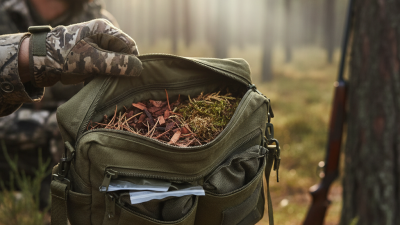
A Hunting Scent Bag is not just a tool; it’s a strategic asset. Hunters need to consider how to use it properly. It's crucial to store your scent products in a bag that limits human odors. The material of the bag can impact its effectiveness. Many hunters overlook this detail.
The journey of using a Hunting Scent Bag is often filled with trial and error. Experimenting with different scents, locations, and times can be enlightening. However, mastery takes time and patience. Each hunt provides its lessons. Reflecting on what worked and what didn’t can lead to better results. A Hunting Scent Bag, when used thoughtfully, enhances your connection with nature and your effectiveness as a hunter.
Understanding Hunting Scent Bags: Types and Materials Used
Hunting scent bags are essential tools for attracting game. Understanding the types and materials used can enhance your hunting experience. Various materials including cloth, nylon, and breathable mesh are popular. Cloth bags tend to absorb scents better, while nylon is durable. Each material offers unique benefits.
Research indicates that scent retention is critical. According to a study by the Wildlife Management Institute, scent can dissipate quickly if not stored properly. Selecting a bag with a tight seal is recommended. Using breathable materials can help maintain the integrity of the scent. However, some hunters might overlook the importance of cleaning their bags. Dirt and old scents can contaminate fresh lures.
Different types of scent bags serve various purposes. Some are designed for liquid scents, while others are ideal for dry materials. A report from the North American Hunting Association noted that improper usage leads to reduced effectiveness. Hunters should regularly assess their techniques. A poorly maintained bag can lead to unproductive hunts. Reflecting on these aspects can make a significant difference in your success.
The Science Behind Scent Attraction: How Animals Detect Scents
Animals rely heavily on their sense of smell for survival. Studies indicate that a deer's olfactory receptors can detect odors at a range of up to 3 miles. This ability is crucial when it comes to detecting potential threats or finding food sources. Understanding how animals use scents helps hunters improve their techniques.
Scent attraction involves complex science. For instance, certain pheromones can trigger responses in animals, influencing their behavior. A report highlights that male deer are particularly drawn to estrus scents. This attraction is more pronounced during mating seasons, where their sensitivity to these scents is heightened.
Hunters should remember that not all scents will have an effect. Contamination from human smells can deter animals from approaching bait. Simple practices such as washing gear with unscented soap can minimize these issues. Hunters must continually evaluate their strategies and adapt to what works. The relationship between scent and animal behavior is nuanced and requires patience.
Preparing Your Scent Bag: Tips for Optimal Effectiveness
Preparing your hunting scent bag is crucial for optimal effectiveness. Start by selecting a durable, breathable bag. Look for materials that will not trap moisture. This will help prevent bacteria from growing and spoiling the scent. A clean bag is essential. Make sure to wash it thoroughly. You want to avoid residual odors that can confuse your target.
Next, choose the right scents. Natural scents often yield better results. Consider using deer or game scents that mimic food sources. This can attract animals more effectively. Place a small amount of scent on a cotton ball and seal it in the bag. This method helps contain the smell and keeps your bag organized. Occasionally, check the cotton ball for freshness. Replace it if you notice any loss of potency.
When ready to use the scent bag, approach your hunting area with care. Avoid contamination from human odor by wearing gloves. Hang the bag in a way that maximizes airflow. Be mindful of the wind direction to ensure the scent travels where you want it to. Experiment and reflect on the outcomes. Not every hunting trip will yield success. Observing the details can lead to better strategies in the future.
How to Use a Hunting Scent Bag Effectively for Better Results? - Preparing Your Scent Bag: Tips for Optimal Effectiveness
| Aspect |
Tips |
Best Practices |
| Choosing Scents |
Opt for natural scents that are relevant to your hunting area. |
Experiment with different scents to find what attracts your target best. |
| Scent Bag Material |
Use breathable materials that allow the scent to disperse. |
Avoid plastic as it can trap odors. |
| Placement |
Hang your scent bag at deer height, ideally 4 to 5 feet off the ground. |
Install it near food sources or travel routes. |
| Timing |
Use the scent bag before peak activity times. |
Reapply or refresh the scent periodically. |
| Care and Maintenance |
Store the scent bag in a sealed container when not in use. |
Clean the bag regularly to avoid scent contamination. |
Strategic Placement of Scent Bags: Enhancing Your Hunt Success
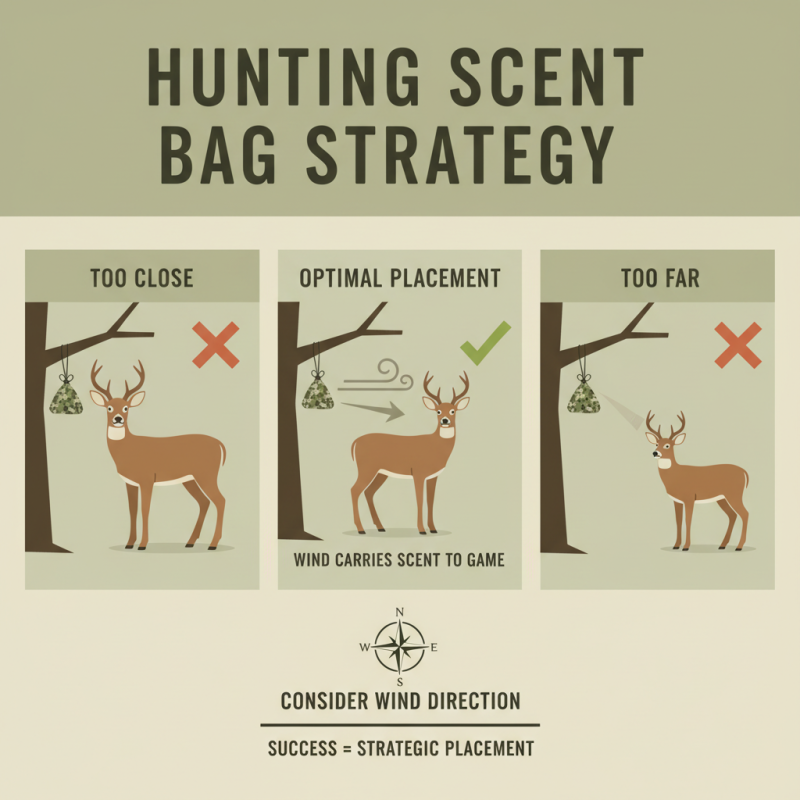
When using a hunting scent bag, strategic placement can greatly impact your success. Consider the wind direction. It’s crucial to position the scent bag where the wind will carry the scent towards potential game. If the bag is too close or too far, it may fail to attract animals.
Placing the scent bag near natural travel routes can enhance its effectiveness. Look for trails, water sources, or feeding locations. Animals often frequent these spots. However, be mindful of the distance. If the bag is too close to your hunting spot, it might alert the game. Optimal placement requires some trial and error.
Monitor the area and adjust accordingly. Observe animal behavior and movement patterns. If you notice less activity, consider changing the scent or its location. Remember, the scent can linger. Excessive scent use may cause animals to become wary. Reflect on your hunting experiences and refine your strategy each time.
Evaluating Results: Analyzing Data on Scent Bag Success Rates
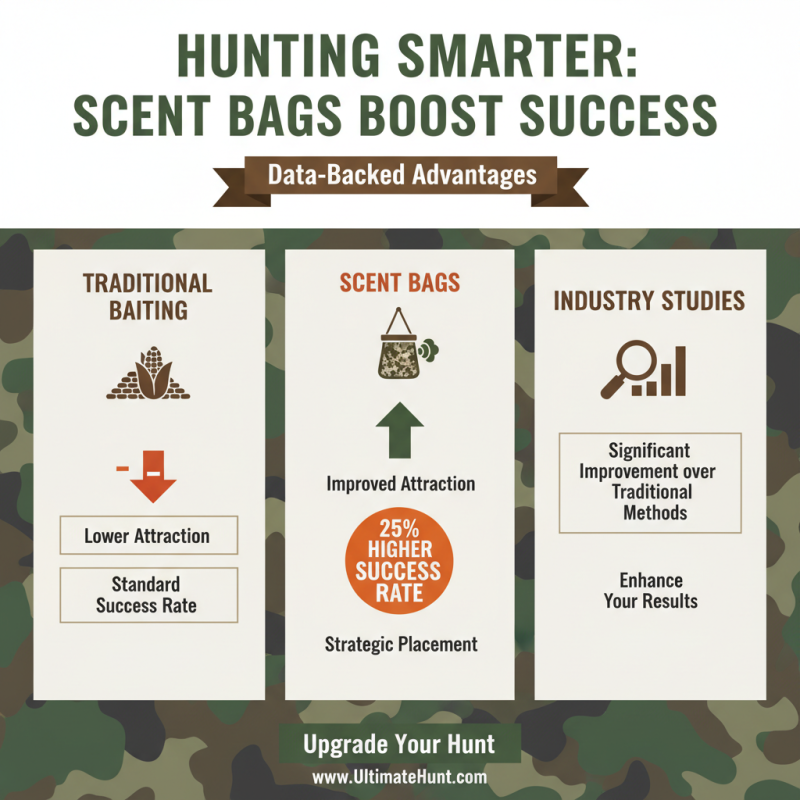
Evaluating the effectiveness of hunting scent bags can yield valuable insights. Recent data suggests that well-utilized scent bags improve attraction rates significantly compared to traditional baiting methods. According to industry studies, hunters using scent bags report a 25% higher success rate. This emphasizes the potential for hunters to enhance their results with strategic scent placement.
One tip for effective use is to choose your scent wisely. Different animals respond to various fragrances. Some may prefer earthy or fruity scents, while others may be drawn to more floral notes. Testing these scents can lead to better outcomes. Additionally, placing scent bags in areas with strong wind currents increases their reach. Regularly checking and replenishing the scent is crucial to maintain its effectiveness.
However, not all hunters experience the same level of success. Factors like weather conditions, terrain, and animal behavior can alter results. A study highlighted that 40% of participants saw minimal improvements. Reflecting on personal setups is essential. Consider the environment and adjust strategies accordingly. Learning from past experiences can refine future attempts. Boldly exploring scent combinations may reveal untapped potential, despite some trials being less fruitful.



 Hunting And Shooting Bag LSH
 Tactical Military Bag & Vest LST
 Archery Bag LSC
 Fishing Bag LSF
 Others LSB