Leave Your Message

How to Choose the Best Hunting Pee Bag?

Choosing the right Hunting Pee Bag is a small decision with significant outdoor consequences. A reliable design can prevent rushed movement, wet clothing, and unnecessary exposure in cold or uneven terrain. It should also support responsible waste handling without disturbing soil, water, wildlife, or fellow hunters.

Participation data shows why this niche product deserves careful evaluation. The U.S. Fish and Wildlife Service’s 2022 National Survey reported approximately 14.4 million American hunters aged 16 and older. The Outdoor Foundation’s 2024 Outdoor Participation Trends Report recorded 175.8 million outdoor participants in 2023. These figures suggest a large audience seeking practical, low-impact gear. However, broad participation does not guarantee good product quality. Marketing claims can be vague.

An effective Hunting Pee Bag should balance capacity, seal security, portability, and comfort. Look for a wide, flexible opening, a stable base, and a closure that remains secure inside a pack. A strong polymer liner matters when temperatures drop or equipment shifts during travel. Transparent or clearly labeled materials can also reduce handling mistakes at night. Odor control helps, but it should not replace proper sealing and disposal. I have found that even a well-designed bag feels inadequate when its opening is too narrow. That detail is easy to overlook. This guide will compare materials, sizing, usability, sanitation, and environmental responsibility, while acknowledging that no single bag suits every body, climate, or hunting routine.
How to Choose the Best Hunting Pee Bag?

Understanding the Purpose and Key Features of a Hunting Pee Bag

How to Choose the Best Hunting Pee Bag?

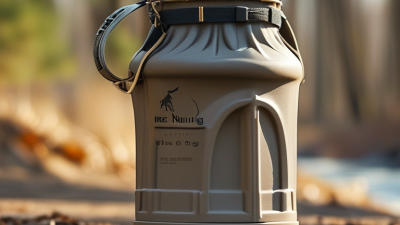
A hunting pee bag provides a private, practical way to urinate during long hours outdoors. Its purpose is simple: reduce unnecessary movement, protect clothing, and support cleaner field habits. I have found that a reliable bag matters most during cold mornings, steep terrain, or limited-privacy situations. It should have a wide opening, strong seams, and a secure closure. A narrow opening can create an avoidable mess.

Leak resistance is essential. Look for thick, flexible material that stays stable when handled with cold or gloved hands. A discreet, opaque design also offers comfort and privacy. Some bags include absorbent material that turns liquid into a gel. This can reduce sloshing and unpleasant odors, but performance varies. Read the capacity carefully. A bag that seems large enough may feel inadequate after several hours outside.

I once chose a lightweight bag without checking its seal. It looked convenient, but the closure was difficult to operate quietly. That mistake changed my checklist. I now test the opening and closure at home before carrying it outdoors. Keep the bag inside a separate waterproof pouch, away from food and clothing. Dispose of it according to local land-management rules, and never leave it in the field. A small flashlight and spare gloves can also help, although I sometimes forget the gloves.
Comparing Pee Bag Types, Materials, and Capacity

How to Choose the Best Hunting Pee Bag?
Comparing Pee Bag Types, Materials, and Capacity

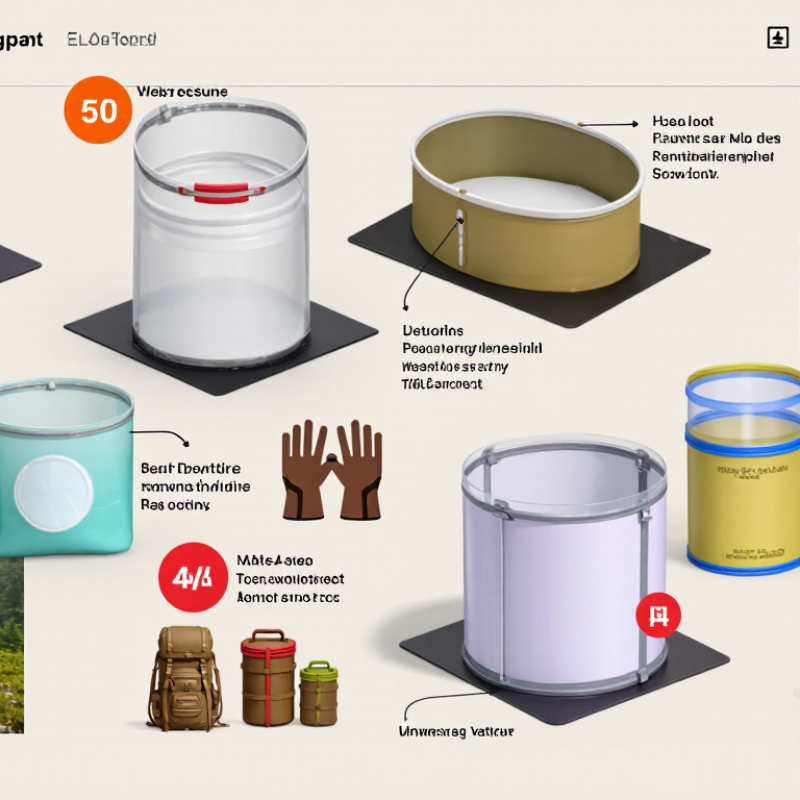
Choosing the right pee bag starts with the type of use. Disposable bags are light and convenient for short trips. Reusable bags create less waste and suit frequent outdoor use. A wide-mouth design helps prevent spills, especially when wearing several clothing layers. A secure closure matters more than a clever shape.

Material affects comfort and reliability. Thick polyethylene resists punctures but feels less flexible. TPU is lighter, tougher, and often easier to fold. Silicone feels soft and cleans well, though it may add weight. I once focused too much on pack size and ignored the seal. That was a poor choice. A small leak can ruin clothing, maps, and sleeping gear.

Capacity should match your route and access to facilities. A 500-milliliter bag may work for a short outing. Longer periods usually require 1 liter or more. Leave some empty space to reduce pressure on the closure. Transparent material makes the fill level easy to check. Opaque material offers more privacy. Test the bag with water at home before carrying it outdoors. Squeeze it gently, inspect the seams, and practice opening it with cold hands. I still prefer a larger capacity than necessary, but that choice takes extra pack space. Both options deserve honest consideration.

How to Choose the Best Hunting Pee Bag?

Comparing pee bag types, materials, and capacity helps you balance portability, leak resistance, reuse, and disposal convenience. The chart shows representative capacities commonly available in outdoor hygiene products; actual specifications vary by design.

How to read the chart: Larger capacity can reduce the need for frequent emptying, while collapsible TPU and reusable silicone designs are generally better suited to repeated use. Disposable polyethylene bags are lightweight and convenient, whereas absorbent polymer-lined bags are useful when spill control and simple disposal are priorities.

Choosing the Right Design for Weather and Hunting Conditions

How to Choose the Best Hunting Pee Bag?

Weather should guide the design more than price. In cold, windy conditions, choose a wide opening, flexible material, and a secure screw or zip closure. The National Weather Service wind chill table shows 0°F with 15 mph wind can feel like -19°F. Cold stiffens thin plastic and makes gloved handling awkward. A bag with a textured grip and a strong sealing strip is safer. Keep it inside an insulated pocket, not exposed in a pack.

Rain creates a different problem. NOAA’s 1991–2020 U.S. Climate Normals show major regional differences in precipitation and temperature. Therefore, hunters in wet forests need a waterproof outer pouch and a leak-resistant inner liner. Absorbent gel can reduce sloshing, but it should not replace careful closure. Test the seal at home. I once trusted a “tight” closure and found that pressure from a full backpack can still cause leakage.

Heat also changes the choice. The National Weather Service heat index chart lists 90°F with 65% humidity as feeling like 103°F. In such conditions, select a larger capacity bag with odor control and a shaded storage pocket. Avoid clear material if sunlight will heat the contents. Dispose of the sealed bag according to local waste rules. Pack it out. The best design is not always the lightest one. A tiny bag may save weight, but it can become difficult to use with cold hands, rain, or bulky clothing.

Evaluating Comfort, Portability, Leak Protection, and Reusability

Choosing the best hunting pee bag starts with comfort, not capacity. The Outdoor Industry Association’s 2024 Outdoor Participation Trends Report recorded 175.8 million U.S. outdoor participants in 2023. That scale highlights a practical need for discreet, dependable hygiene gear. A soft, wide opening reduces awkward positioning and skin contact. Check the bag while wearing your hunting layers. Thick gloves can make narrow closures surprisingly difficult.

Portability matters during long walks. Choose a lightweight design that folds flat inside a waist pack or jacket pocket. Leak protection deserves closer inspection. Look for a reinforced seam, secure closure, and absorbent material that handles movement after use. The Leave No Trace Center for Outdoor Ethics emphasizes packing out personal waste where facilities are unavailable. A double-sealed bag supports that responsibility, especially in warm weather. Odor control is useful, but it should not replace physical leak protection. I once assumed a stronger scent barrier meant a safer bag. That assumption was wrong.

Tips: Test one bag at home before carrying several into the field. Add a small secondary pouch for privacy and separation. For reusable models, check cleaning instructions, drying time, and material fatigue. The U.S. Environmental Protection Agency’s waste hierarchy places source reduction and reuse above disposal, but reuse only works when sanitation is realistic. Inspect the closure after every wash. Replace the bag if seams become sticky, cloudy, or stretched. A little inconvenience is better than discovering a leak beside your sleeping gear.

Checking Cleaning Requirements, Safety, and Environmental Impact

How to Choose the Best Hunting Pee Bag?

Cleaning requirements deserve attention before durability claims. A reliable pee bag should have a wide opening, secure closure, and a leak-resistant inner layer. Fill it on level ground, then test the seal over another container. Small failures become serious inside a backpack. Reusable models need warm water, unscented soap, and complete air-drying after every trip. Disinfecting is also sensible when sharing equipment. The CDC recommends hand sanitizer containing at least 60% alcohol when soap and water are unavailable. Gloves still help. Sanitizer does not replace cleaning.

Safety includes visibility, handling, and storage. Choose a bag that remains stable during use and does not collapse easily. Keep it away from food, sleeping gear, and sharp tools. Leave No Trace guidance recommends disposing of human waste at least 200 feet from water, trails, and campsites, with catholes generally 6–8 inches deep where appropriate. However, urine bags should usually be packed out when local rules, fragile terrain, or group policies require it. Check regulations before departure.

Environmental impact is less obvious. The United Nations Environment Programme reported that global plastic production exceeds 400 million tonnes yearly, with large amounts becoming waste. A thick disposable bag may reduce leakage, but it still adds plastic waste. A washable bag can reduce repeated disposal, yet it consumes water and cleaning products. There is no perfect option. I would inspect the bag before every hunt, carry a backup, and rethink convenience when the route crosses sensitive habitat.

How to Choose the Best Hunting Pee Bag? - Checking Cleaning Requirements, Safety, and Environmental Impact

Bag Type Typical Capacity Cleaning Requirement Leak and Odor Control Safety Considerations Environmental Impact Best Use Case
Single-use polyethylene bag Approximately 1–2 liters No washing; seal and pack out after use Good when the bag has a reinforced seal and a separate absorbent or odor-control layer Check for punctures before use; keep away from sharp equipment and heat Low reuse value; plastic waste remains for a long time if discarded improperly Short trips where minimum cleaning is important
Compostable-labeled bag Approximately 1–2 liters No washing; follow the disposal instructions on the packaging Usually adequate for short-term storage, but moisture resistance varies by material Do not assume it will break down in the wilderness; avoid use if the material becomes brittle or wet May require a commercial composting facility; “compostable” does not mean suitable for littering Users seeking a lower-plastic option with access to proper disposal
Reusable silicone container Approximately 0.5–1.5 liters Rinse promptly, wash with mild soap, and dry completely before storage Strong leak resistance when the closure is secure; odor can remain if it is not dried properly Inspect the seal and body regularly; do not use if cracked, sticky, or permanently deformed Higher initial material use, but repeated use can reduce disposal waste over time Frequent trips and users able to clean equipment after every outing
Reusable fabric-lined pouch Approximately 0.5–1 liter Requires thorough washing and complete air-drying; fabric may retain odor Moderate protection; a waterproof inner liner and secure closure are important Do not store while damp because bacteria and mold can develop Reusable, but laundering consumes water and detergent; damaged liners should be replaced Lightweight day hunts where regular cleaning is practical
Absorbent gel pouch Approximately 0.6–1 liter of liquid No washing; keep sealed and dispose of it according to local rules Very good temporary odor and spill control when the absorbent material is fully contained Leave air space for expansion; do not overfill or place the pouch near food and drinking water Single-use packaging and absorbent polymers create solid waste; never bury or leave it outdoors Cold-weather trips, emergency use, or locations without washing facilities
Selection checklist: Choose a capacity that exceeds the expected volume, verify the closure before leaving, avoid storing liquid for longer than necessary, wash reusable products after every trip, and pack out all used bags. Do not bury, burn, or abandon urine bags in the field.