2026 Best Tactical Bags for Global Buyers How to Choose?
In recent years, the demand for tactical bags has surged. Industry reports indicate that the global tactical gear market is projected to reach $20 billion by 2026. This growth results from increasing outdoor activities, military needs, and urban commuting. Tactical bags, designed for durability and functionality, have become essential for a diverse range of users.
Choosing the right tactical bag can be daunting. Options vary widely in size, style, and features. With so many products available, buyers often face confusion. Many bags claim to be "tactical", but not all meet the rigorous demands of everyday use. An expert report highlights that around 30% of consumers prioritize portability and comfort in tactical bags.
Understanding your needs is crucial. Different activities require different functionalities. Some bags offer modular systems, while others focus on discreet designs. As buyers, reflecting on your specific usage scenarios is vital. It's not just about buying a bag; it's about choosing the right one that will serve your purpose effectively.
Overview of Tactical Bags and Their Uses
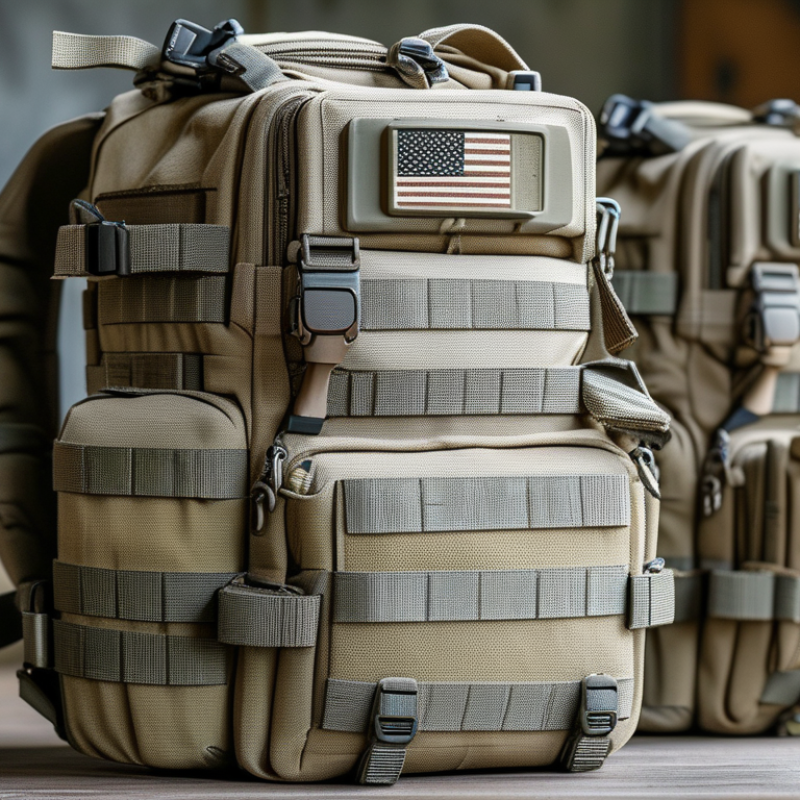
Tactical bags are versatile tools for various activities. They serve professionals, outdoor enthusiasts, and everyday users alike. Understanding their uses can enhance your buying experience.
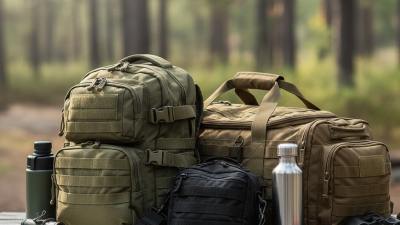
For instance, tactical bags are widely used in military and police operations. According to a 2022 industry report by Statista, the tactical bag market is expected to reach approximately $3.5 billion by 2025. Additionally, outdoor enthusiasts use these bags for hiking and camping due to their durability and organizational features. Many bags now include hydration compartments and modular attachments, which increase functionality.
When selecting a tactical bag, consider your intended use. Is it for daily commuting or outdoor adventures? Look for designs that offer easy access and various pockets. A bag with adjustable straps can enhance comfort during long trips.
Tips: Always check the material quality. Waterproof and tear-resistant fabrics are ideal. Consider weight; a heavier bag may hinder mobility over time. Assess your storage needs and choose accordingly.
2026 Best Tactical Bags: Popular Features and Preferences
Key Features to Consider When Choosing a Tactical Bag
When selecting a tactical bag, several critical features deserve attention. Durability is paramount. Look for materials that resist wear and tear. Nylon or polyester with water-resistant coatings often perform well. Also, consider the stitching quality; reinforced seams can enhance longevity.
Capacity and organization matter too. A well-thought-out design allows for easy access to gear. Pockets in various sizes can make the difference. Think about how you will use the bag. Will you need quick access to first aid supplies or tools? The size and layout should reflect your needs.
Weight is often overlooked. A heavy bag can become cumbersome, especially with added gear. A lighter option might be better for long hikes or extended travel. Comfort is crucial; padded straps and back panels can ease the load. Reflect on how these features align with your specific requirements. It’s easy to prioritize looks over practicality, but that can lead to regrets later.
Types of Tactical Bags Available in the Market
When exploring tactical bags, various types cater to different needs. The market offers everything from backpacks to laptop bags, each designed for specific applications. Reports indicate that the tactical bag industry is poised to grow significantly, reaching $24.75 billion by 2025. This growth is driven by increased demand for durable and versatile carry solutions.
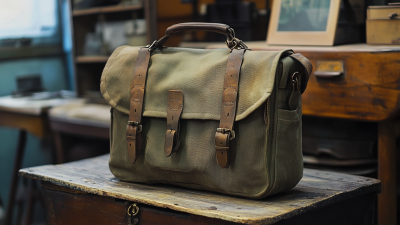
There are three primary types of tactical bags: backpacks, duffel bags, and messenger bags. Backpacks often serve outdoor enthusiasts, featuring hydration systems and multiple compartments. Duffel bags provide expansive storage for gear and clothing, attracting those who require mobility and capacity. Messenger bags, on the other hand, cater to urban users needing quick access to essentials. Choosing the right type hinges on intended use and personal preferences.
Tips: Assess your needs before purchasing. Consider where and how often you'll use the bag. For longer trips, opt for a spacious option. Regular city commuters might prefer lighter, more compact designs. Think about your organization style. Some users appreciate more pockets, while others seek simplicity. Remember, comfort is crucial, so check the straps as well. Balancing utility and comfort will lead to better choices.
2026 Best Tactical Bags for Global Buyers How to Choose?
| Bag Type |
Capacity |
Material |
Features |
Price Range |
| Backpack |
20-40 liters |
500D Nylon |
Water-resistant, MOLLE webbing |
$50 - $150 |
| Shoulder Bag |
10-20 liters |
600D Polyester |
Adjustable strap, Quick access pockets |
$30 - $100 |
| Tactical Duffel Bag |
50-100 liters |
Tear-resistant Canvas |
Multiple compartments, Durable zippers |
$60 - $200 |
| Hydration Pack |
2-5 liters |
Lightweight Nylon |
Built-in hydration reservoir, Insulated |
$25 - $90 |
| Chest Rig |
N/A |
Durable Cordura |
Modular attachments, Lightweight |
$40 - $120 |
Top Brands and Models of Tactical Bags for 2026
Choosing the best tactical bags in 2026 means focusing on several key features. Durability is crucial. Many tactical bags face harsh conditions. Fabrics must withstand wear and tear. Waterproof zippers are also a significant advantage. These details can make a difference in longevity and performance.
Consider the bag's size and capacity. A larger bag can carry more gear, but it might become cumbersome. Balance between space and weight is essential. Organizing compartments help keep items accessible. A good layout saves time in critical moments. Comfort must not be overlooked. Padded straps provide relief during extended use.
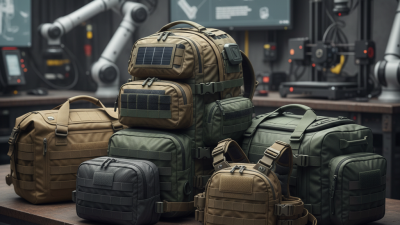
Explore various models to find what fits your needs best. Some designs offer modular systems. This adaptability can be beneficial for different activities. Think about where you will use the bag. Urban, wilderness, or military settings can require different specifications. Selecting a tactical bag is a personal journey. Reflect on your specific requirements. Each choice should focus on functionality and reliability.
Buying Tips for Global Consumers: Where to Purchase Tactical Bags
When purchasing tactical bags, global consumers face many choices. The market is expected to grow significantly. According to industry reports, the tactical bag market will exceed $1 billion by 2026, driven by outdoor enthusiasts and tactical professionals alike. Consumers should consider various factors when making a purchase.
First, assess quality and durability. Look for materials like nylon and polyester. They offer water-resistance and longevity. For example, bags with reinforced stitching can withstand harsh conditions. Another important aspect is storage capacity. Choose a bag that meets your needs. Some require compartments for gear, while others may prioritize lightweight designs.
Online marketplaces can be a reliable source. They often provide customer reviews, helping buyers make informed decisions. However, not all products are vetted equally. Research the seller’s reputation. Ensure they have a return policy in case of issues. Remember, purchasing from a local store allows you to inspect the bag firsthand. This can help avoid purchase regrets. Identify what works for you, and be open to comparing options.



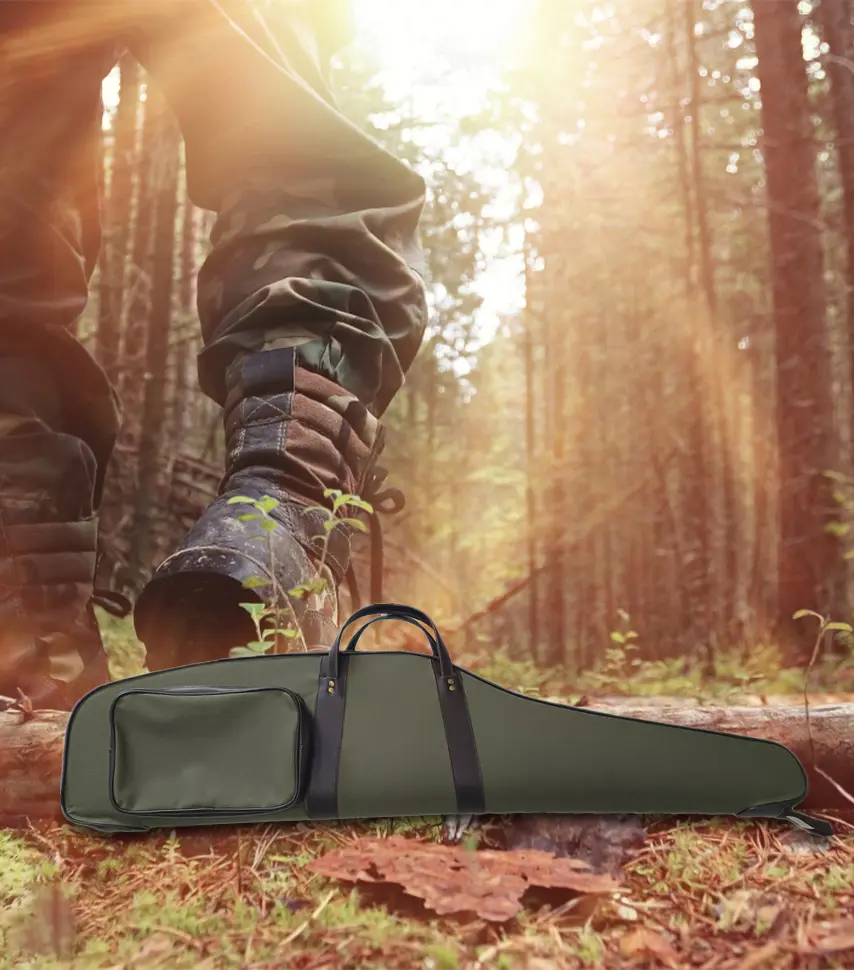 Hunting And Shooting Bag LSH
 Tactical Military Bag & Vest LST
 Archery Bag LSC
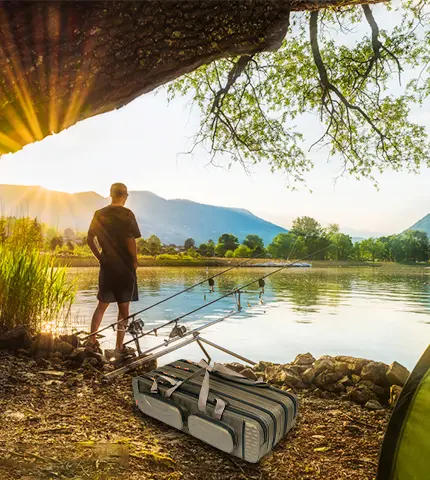 Fishing Bag LSF
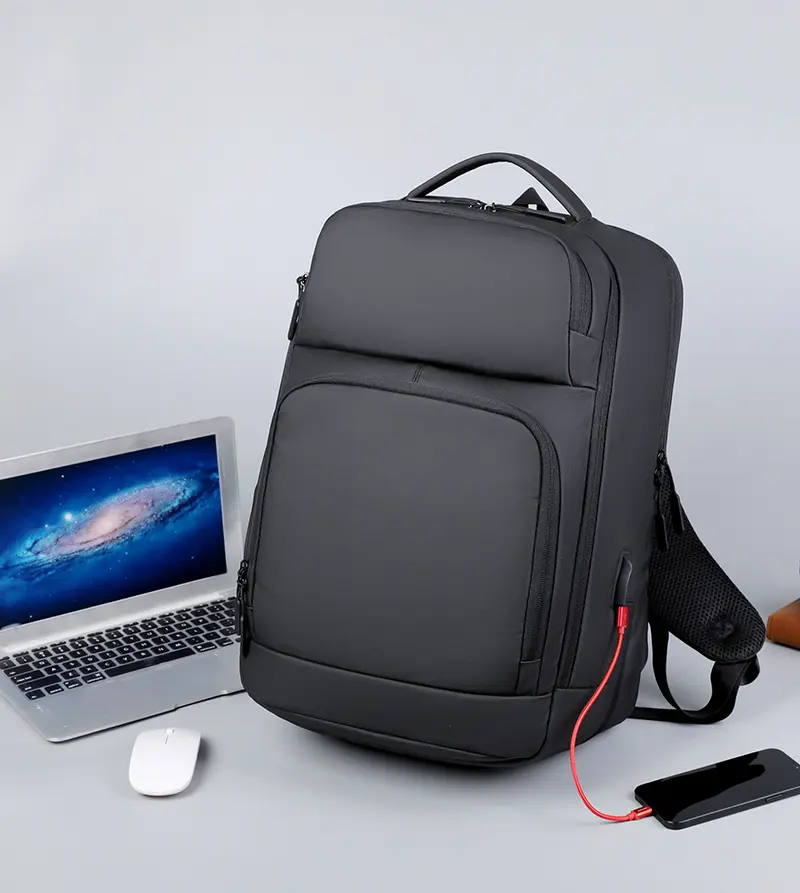 Others LSB